Back to Home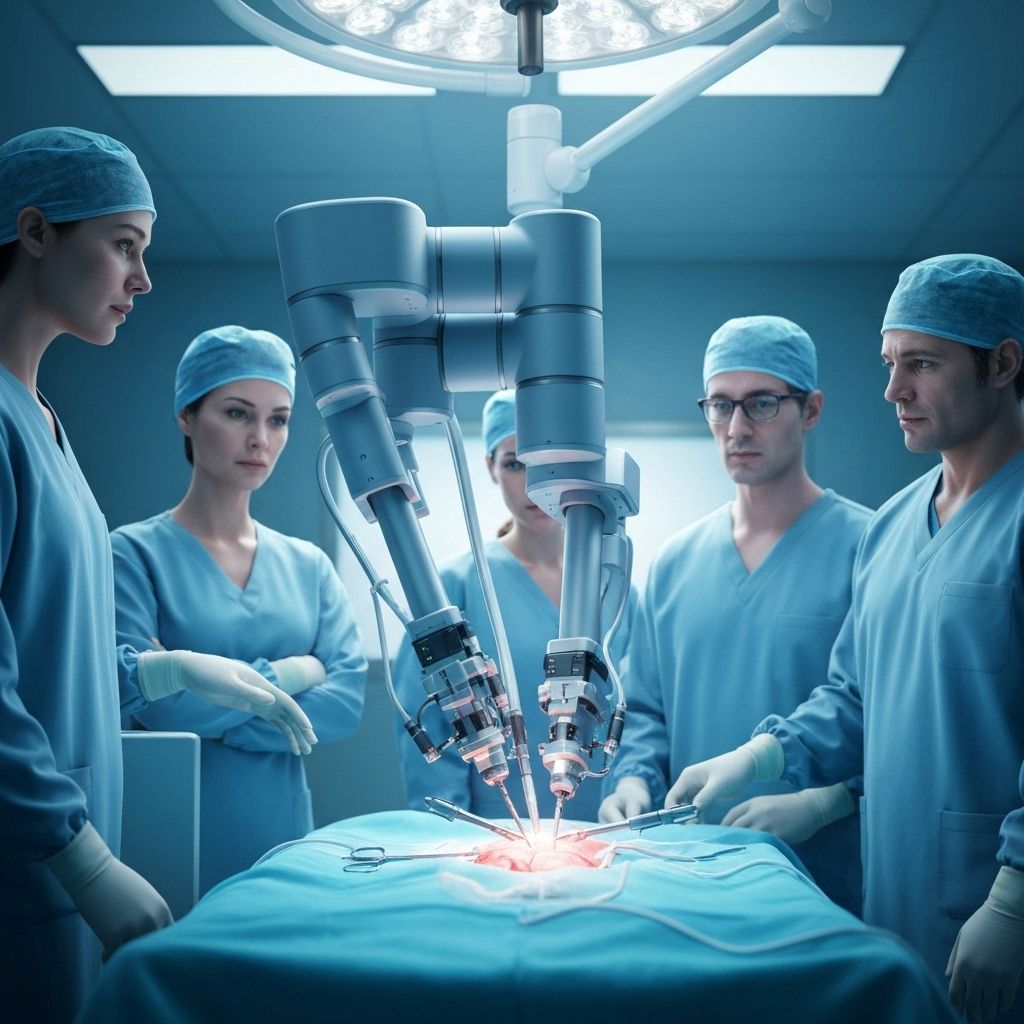
Surgical Robots Perform First Fully Autonomous Operation
By Dr. Alex Turner•October 27, 2024•
8 min read
•20,500 views
Volkswagen has announced plans to build the world's largest electric vehicle factory, a massive complex that will produce over 2 million electric vehicles annually by 2030. The factory, to be located in Wolfsburg, Germany, represents a bold commitment to Volkswagen's transition to electric mobility and will be the centerpiece of their EV production strategy.
The announcement comes as Volkswagen continues to implement its ambitious "Transform 2025+" strategy, which aims to make the company a global leader in electric vehicles. The new factory, provisionally named "PowerCo Gigafactory Wolfsburg," will be built on the site of Volkswagen's historic headquarters and will replace some of the company's older internal combustion engine production facilities.
Herbert Diess, CEO of Volkswagen Group, described the significance of the investment: "This new factory represents our commitment to electric mobility and our determination to lead the transformation of the automotive industry. By building the world's largest EV factory in Wolfsburg, we're not just investing in new technology—we're investing in the future of automotive manufacturing and the future of our workforce."
The factory will cover an area of approximately 700 hectares (1, 730 acres) and will employ over 20, 000 workers when fully operational. Volkswagen plans to invest more than €20 billion in the project over the next five years, making it one of the largest industrial investments in European history.
The factory will be highly automated but will also maintain a significant human workforce, with Volkswagen committed to retraining existing employees for new roles in electric vehicle production. The company has announced a comprehensive skills development program to prepare its workforce for the transition to EV manufacturing.
One of the most innovative aspects of the new factory is its integration with Volkswagen's battery production subsidiary, PowerCo. The factory will feature a state-of-the-art battery cell production facility capable of producing enough batteries for 5 million electric vehicles annually, making it the largest battery production facility in Europe.
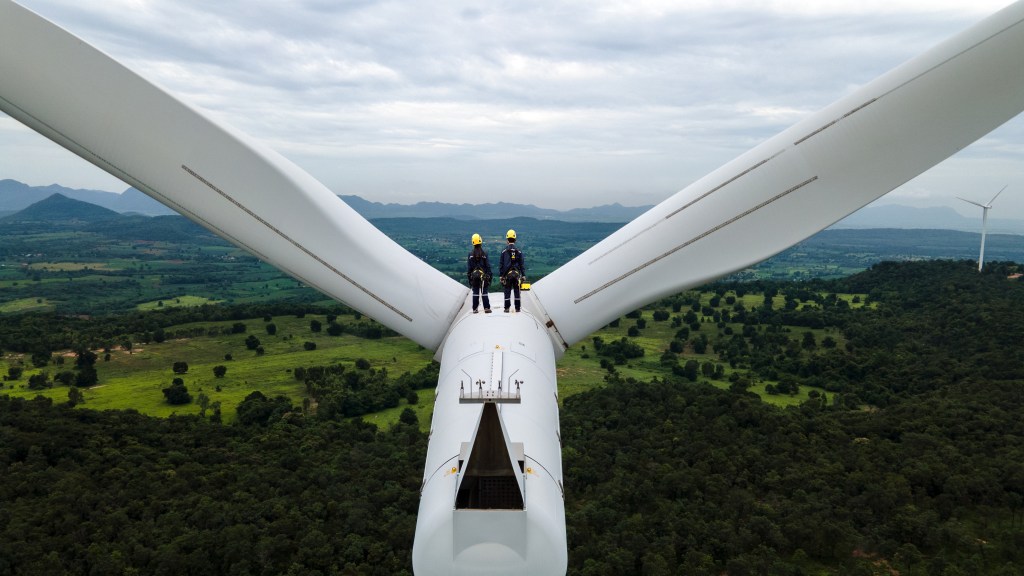
The factory will also incorporate extensive sustainability features. Volkswagen plans to power the entire complex with renewable energy, including on-site solar panels and wind turbines. The company has also committed to achieving carbon neutrality in all production processes by 2030.
The factory will initially produce Volkswagen's new generation of electric vehicles based on their advanced Scalable Systems Platform (SSP), which is designed to support a wide range of vehicle types from compact cars to luxury SUVs. The first model to be produced will be the highly anticipated Volkswagen ID.3 successor, followed by several other electric models across different segments.
The decision to build the world's largest EV factory in Wolfsburg is significant for several reasons. First, it demonstrates Volkswagen's commitment to maintaining its manufacturing presence in Germany, despite competitive pressures to relocate production to lower-cost countries. Second, it positions Germany as a leader in electric vehicle manufacturing in Europe.
However, the project faces several challenges. The massive investment comes at a time when Volkswagen is already investing heavily in electric vehicle development and battery technology. The company will need to carefully manage its capital allocation to ensure it can complete the project while maintaining financial stability.
There are also concerns about demand. While electric vehicle sales are growing rapidly, reaching an annual production capacity of 2 million vehicles by 2030 will require sustained strong demand for Volkswagen's electric models. The company is betting that electric vehicles will become the dominant form of transportation within the next decade.
The project has received strong support from the German government, which has offered significant financial incentives and regulatory support. German Chancellor Olaf Scholz praised the announcement, calling it "a vote of confidence in Germany as an industrial location and in our country's future as a leader in electric mobility."
The announcement has also been well-received by environmental groups, who see it as a positive step toward reducing carbon emissions from transportation. However, some critics have noted that Volkswagen's commitment to electric vehicles comes after years of resistance and follows the company's diesel emissions scandal, which damaged its reputation globally.
Volkswagen is not alone in investing heavily in electric vehicle production. Other major automakers, including Tesla, GM, and Toyota, are also expanding their EV manufacturing capacity. However, Volkswagen's planned factory will surpass even Tesla's Gigafactory in Nevada in terms of production capacity.
The timeline for the project is ambitious. Volkswagen plans to break ground in 2023 and begin production in 2026. The factory will reach full production capacity by 2030, at which point it will produce more electric vehicles annually than most automakers currently produce vehicles of any kind.
As Diess concludes, "Today's announcement marks a new chapter in Volkswagen's history. We're transforming from a manufacturer of internal combustion engines to a leader in sustainable electric mobility. The PowerCo Gigafactory Wolfsburg will be the symbol of this transformation and a testament to Volkswagen's engineering excellence and manufacturing expertise."
With this massive investment in electric vehicle production, Volkswagen is positioning itself to compete effectively in the rapidly evolving automotive landscape. Whether they can achieve their ambitious production targets will depend on their ability to execute the project efficiently, develop compelling electric vehicle models, and successfully transition their workforce to the new manufacturing paradigm.