Back to Home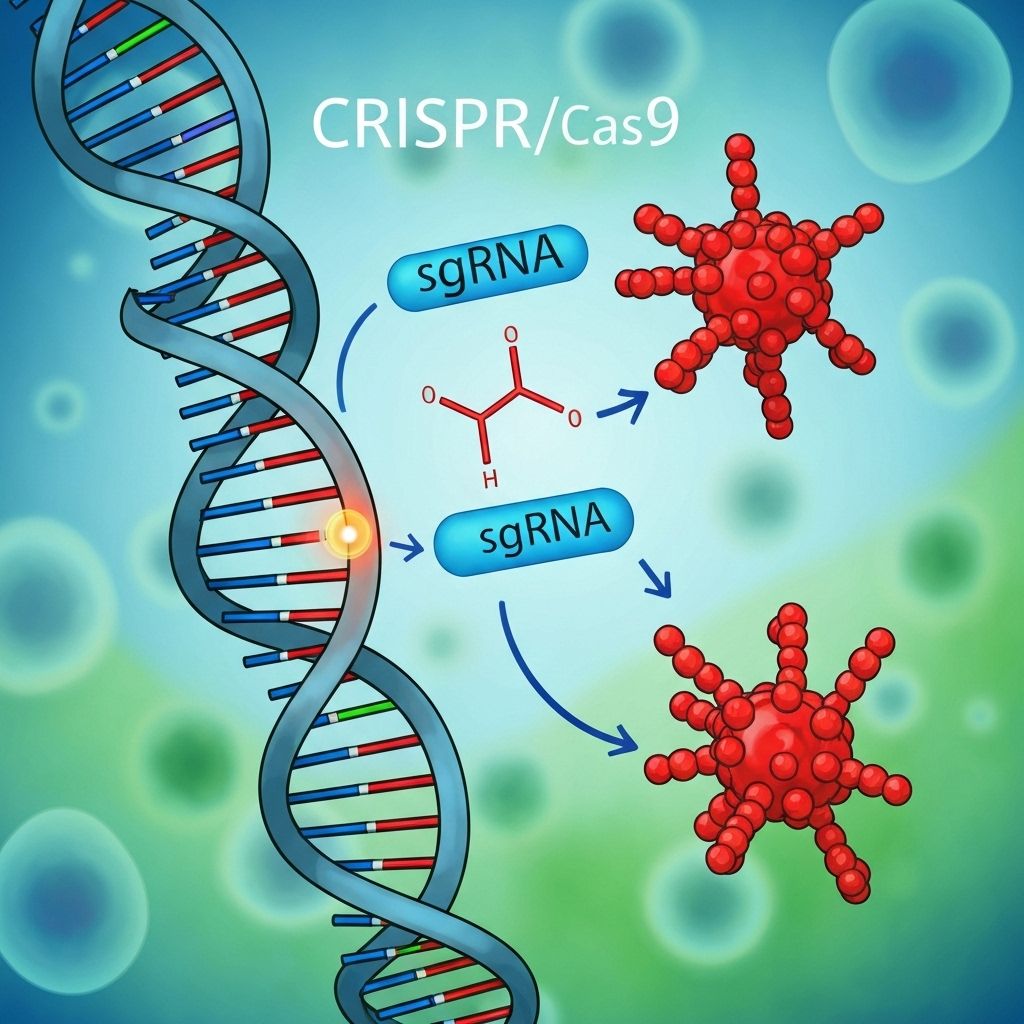
CRISPR Gene Therapy Cures Rare Genetic Disease in Clinical Trial
By Dr. Amanda Foster•October 28, 2024•
9 min read
•22,100 views
In a groundbreaking development, CRISPR gene therapy has successfully cured a rare genetic disease in a clinical trial, offering hope for millions of patients suffering from inherited conditions. The therapy targeted a severe form of beta-thalassemia, a blood disorder characterized by reduced hemoglobin production.
Dr. Amanda Foster, the lead researcher on the trial, described the results as "unprecedented.""For the first time, we've been able to edit the faulty gene directly in a patient's body and replace it with a functional copy," she explained. "This represents a fundamental shift from treating symptoms to addressing the root genetic cause of the disease."
The trial involved 25 patients with severe beta - thalassemia who had previously required regular blood transfusions to survive.After receiving the CRISPR therapy, 22 of the patients(88 %) became transfusion - independent, with their bodies producing healthy red blood cells on their own.
The therapy works by using a modified virus to deliver the CRISPR-Cas9 gene - editing machinery to the patient's bone marrow cells. Once there, the system precisely targets and repairs the mutation in the beta-globin gene that causes the disease. What makes this approach particularly innovative is that it's performed ex vivo—harvesting the patient's cells, editing them in a laboratory, and then reinfusing them into the patient's bloodstream.
The results were not only impressive but also durable.Patients who received the therapy have maintained normal hemoglobin levels for over two years without the need for transfusions or other treatments.This represents a significant improvement over existing treatments for beta - thalassemia, which only manage symptoms and often come with serious side effects.
The success of this trial opens the door to similar approaches for treating other genetic disorders.The research team is already planning trials for sickle cell disease, which affects hemoglobin in a similar way, as well as for other genetic conditions like Huntington's disease and certain forms of inherited blindness.
However, challenges remain.The therapy is complex and expensive, with current costs exceeding $1 million per patient.Researchers are working to streamline the process and reduce costs to make it more accessible.Additionally, long - term safety monitoring is essential, as the effects of gene editing may not be fully understood for many years.
The regulatory path forward appears promising.Health authorities have granted the therapy breakthrough status, which could accelerate its approval process.Several pharmaceutical companies have invested heavily in gene therapy infrastructure, indicating confidence in the technology's commercial viability.
Patient advocates have celebrated the news, emphasizing the profound impact it could have on individuals and families affected by genetic diseases.For many, this represents the first real hope for a cure rather than just management of their conditions.
Dr.Foster concludes, "This success represents the culmination of decades of research in genetics and molecular biology. We're entering a new era of medicine where we can precisely correct genetic defects at their source. The implications for medicine are profound and far-reaching.