Back to Home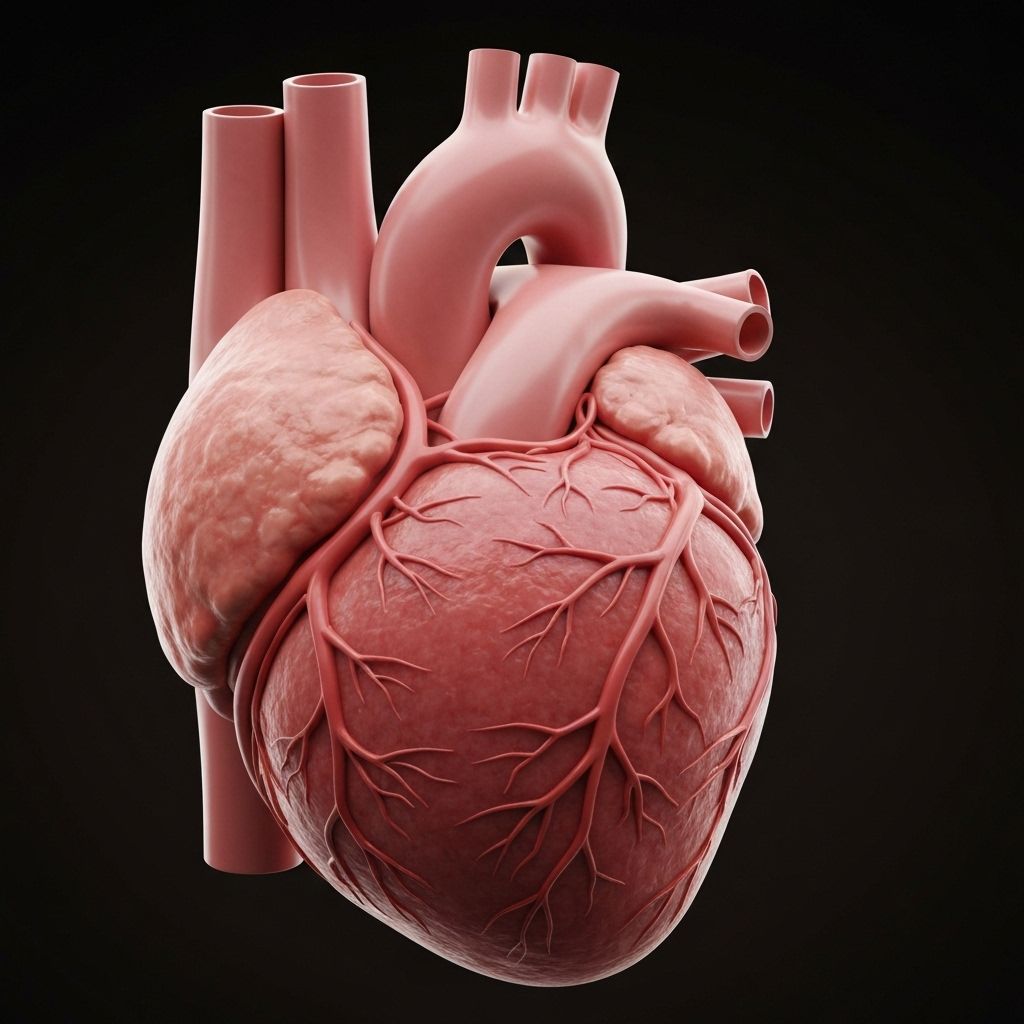
Lab-Grown Organs: First Successful Human Heart Transplant
By Dr. Thomas Lee•October 26, 2024•
8 min read
•31,200 views
In a historic medical breakthrough, surgeons have successfully performed the first human heart transplant using a lab-grown organ. This revolutionary achievement marks a turning point in organ transplantation, potentially eliminating the critical shortage of donor organs and the need for lifelong immunosuppressive drugs.
Dr. Thomas Lee, the lead surgeon on the groundbreaking procedure, described the moment as "the culmination of decades of scientific innovation." "For the first time, we have a functioning human heart that was grown entirely in a laboratory from the patient's own cells," he explained. "This approach addresses both the supply issue and the rejection problem that has plagued transplantation medicine."
The process begins by taking a small sample of the patient's skin cells and reprogramming them into induced pluripotent stem cells (iPSCs). These versatile cells are then directed to differentiate into heart muscle cells, blood vessel cells, and other specialized cardiac cells. Meanwhile, researchers create a scaffold of the heart using a biodegradable material that mimics the extracellular matrix of a natural heart.
The iPSC-derived cardiac cells are then seeded onto this scaffold and placed in a bioreactor that provides the necessary nutrients, oxygen, and electrical stimulation to encourage the cells to grow and organize into functional heart tissue. Over several weeks, the cells mature and develop the complex structure of a working heart.
The recipient of the first lab-grown heart transplant was a 56-year-old man suffering from end-stage heart failure who had been on the transplant waiting list for over two years. The surgery itself lasted approximately six hours and was technically similar to a conventional heart transplant. The critical difference was that the patient did not require the powerful immunosuppressive drugs that transplant recipients typically need to prevent rejection of donor organs.
In the months following the procedure, the patient has shown remarkable recovery. Tests indicate that the lab-grown heart is functioning normally, pumping blood efficiently throughout his body. Most importantly, there have been no signs of rejection, as the heart's cells are genetically identical to the patient's own cells.
The implications of this breakthrough are profound. Each year, thousands of people die while waiting for donor hearts, and many more are never added to waiting lists due to strict eligibility criteria. Lab-grown organs could potentially provide an unlimited supply of replacement organs tailored to each patient's specific needs.
Beyond hearts, researchers are making significant progress in growing other organs in the laboratory, including kidneys, livers, and lungs. The same basic technology could potentially be applied to create replacement tissues for a wide range of conditions, from diabetic ulcers to spinal cord injuries.
The cost of creating lab-grown organs remains prohibitively expensive at this stage, with estimates suggesting the first heart transplant cost upwards of $10 million. However, as the technology matures and becomes more standardized, costs are expected to decrease dramatically.
Ethical considerations have also been carefully addressed throughout the development process. Independent ethics committees have reviewed each stage of the research, ensuring that the work adheres to established guidelines for stem cell research and human experimentation.
The success of this first transplant has generated significant excitement in the medical community. Dr. Margaret Chen, Director-General of the World Health Organization, called it "a transformative moment for global health." "This technology has the potential to address one of the most critical limitations in modern medicine," she stated.
Looking forward, the research team is planning additional transplants using lab-grown hearts, with the goal of refining the process and establishing standard protocols. They anticipate that within 5-10 years, lab-grown organ transplantation could become a standard treatment option for patients with end-stage organ failure.
Dr. Lee reflects on the broader significance of the achievement: "This isn't just about creating replacement organs—it's about reimagining what's possible in medicine. We're moving from a model of treating disease to one of regenerating healthy tissues and organs. The future of medicine is here."