Back to Home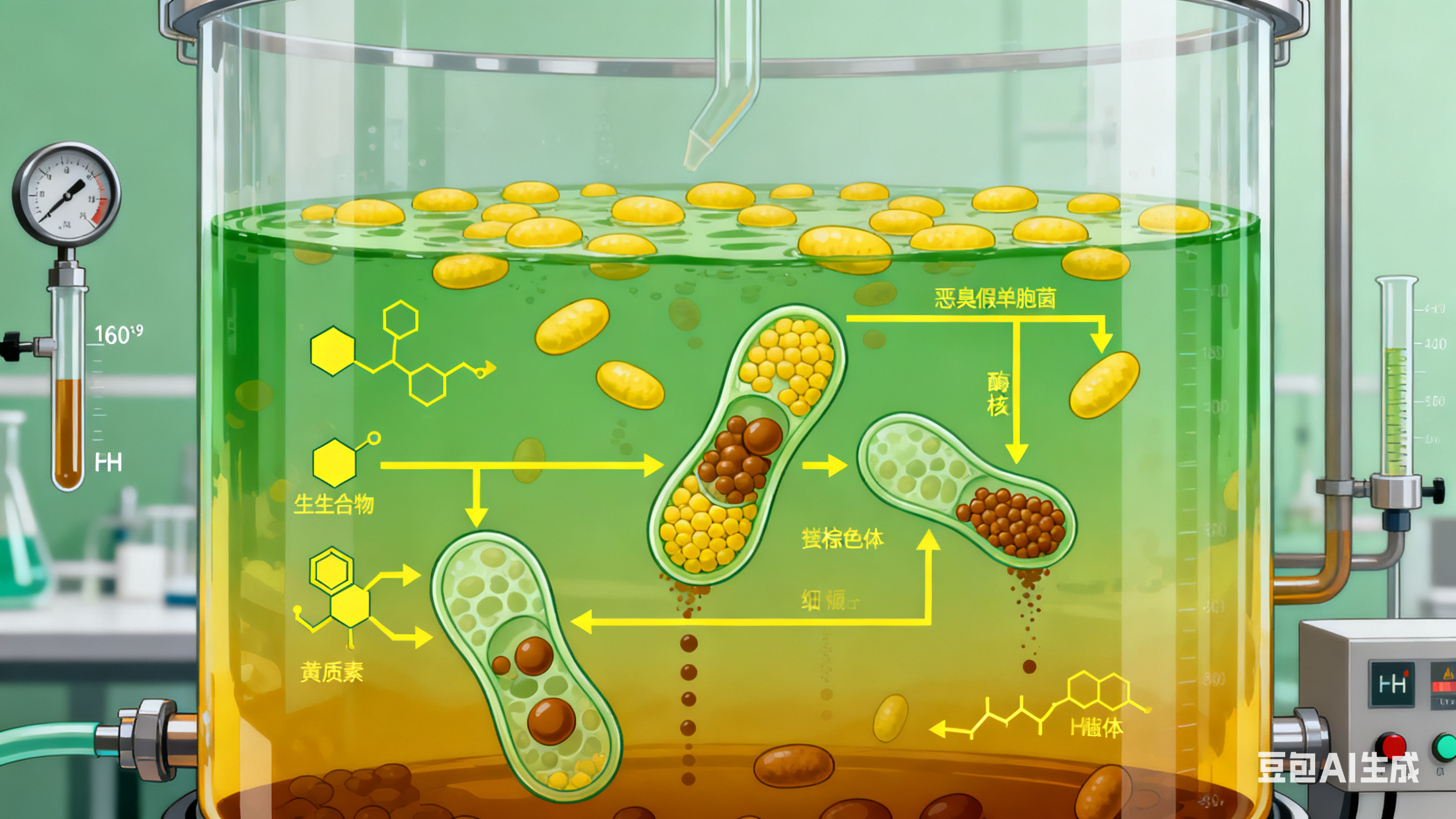




Growth-coupled microbial biosynthesis of the animal pigment xanthommatin
By Leah B. Bushin, Tobias B. Alter, Bradley S. Moore•November 3, 2025•
6 min read
•5,420 views
Researchers have successfully engineered a growth-coupled biosynthetic pathway in Pseudomonas putida, enabling efficient production of xanthommatin, an animal pigment with significant industrial and pharmaceutical potential. This achievement represents a major milestone in metabolic engineering and sustainable biotechnology.
Xanthommatin is a yellow-brown pigment found in various animals, particularly in insects and crustaceans, where it serves important biological functions including UV protection and immune defense. Industrially, it has applications as a natural dye, antioxidant, and potential therapeutic agent with antimicrobial properties.
The research team, led by Leah B. Bushin, Tobias B. Alter, and Bradley S. Moore, developed an innovative approach that links xanthommatin production directly to bacterial growth, significantly increasing yield and reducing production costs compared to traditional chemical synthesis methods. This development paves the way for scalable, environmentally friendly production of this valuable compound.
Published in Nature Biotechnology on November 3, 2025, this breakthrough demonstrates how synthetic biology can be harnessed to create sustainable manufacturing processes for high-value natural products.
You May Also Like
View AllAnthropic releases Opus 4.5 with new Chrome and Excel integrations
3 minNov 24
Despite Chinese hacks, Trump’s FCC votes to scrap cybersecurity rules for phone and internet companies
3 minNov 21
SpaceX’s upgraded Starship suffers explosion during testing
4 minNov 21
ChatGPT: Everything you need to know about the AI-powered chatbot
41 minNov 26