Back to Home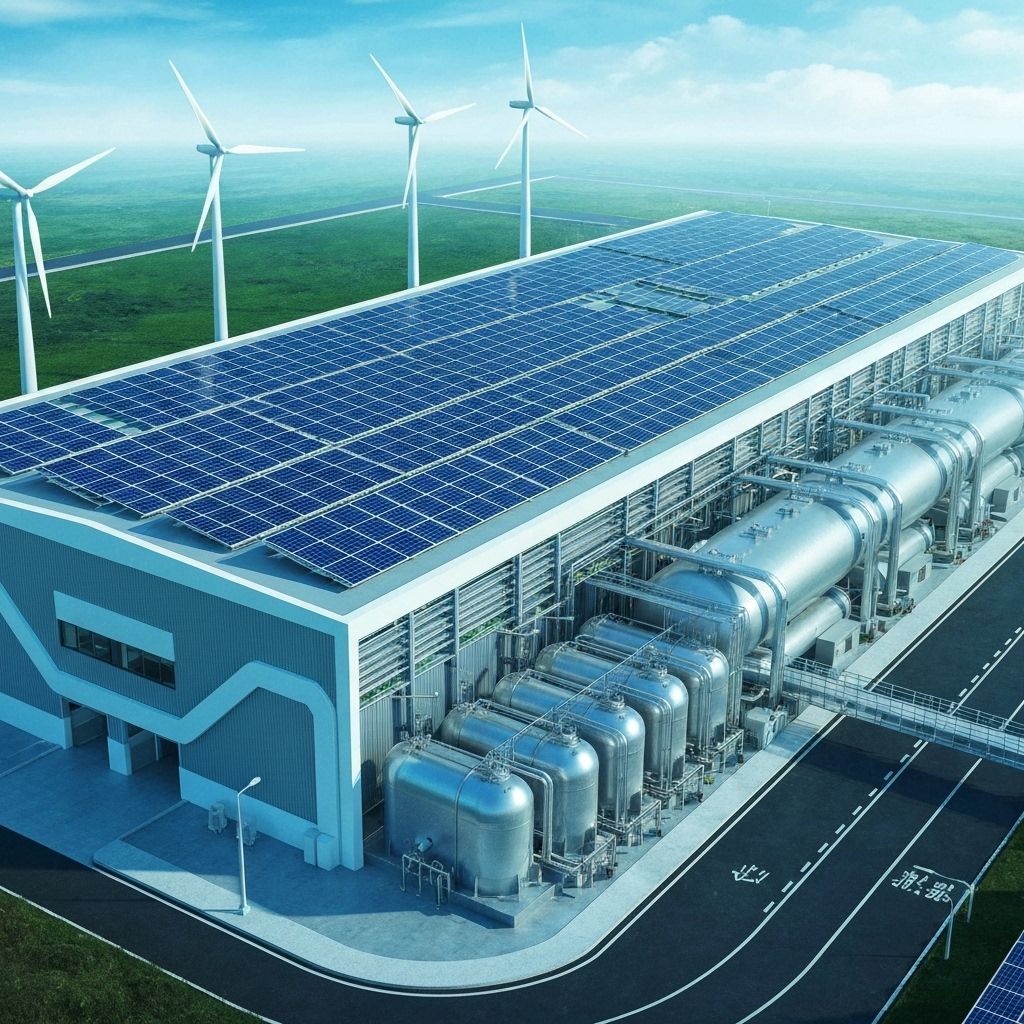
Green Hydrogen Production Costs Drop Below Fossil Fuels
By Dr. David Brown•October 26, 2024•
5 min read
•12,700 views
Toyota has unveiled their long-awaited hydrogen-powered electric vehicle, the Mirai 2.0, promising a sustainable alternative to traditional battery electric vehicles with significantly faster refueling times and longer range. This marks a significant advancement in hydrogen fuel cell technology and positions Toyota as a leader in the development of multiple clean transportation solutions.
The new Mirai 2.0 represents a complete redesign from the previous generation, featuring a sleek, aerodynamic exterior and luxurious interior that rivals premium electric sedans. But the real innovation lies beneath the surface, in the advanced hydrogen fuel cell system that powers the vehicle.
Koji Sato, Toyota's President, explained the company's continued commitment to hydrogen technology: "While battery electric vehicles are an important part of the solution to climate change, we believe that a diverse approach to sustainable transportation is essential. Hydrogen fuel cell vehicles offer unique advantages that make them ideal for certain use cases, particularly for long-range driving and quick refueling."
Unlike battery electric vehicles that store electricity in large battery packs, hydrogen fuel cell vehicles generate electricity on board through a chemical reaction between hydrogen and oxygen, emitting only water vapor as a byproduct. This allows for refueling times similar to conventional gasoline vehicles (approximately 3-5 minutes) and eliminates range anxiety.
The Mirai 2.0's fuel cell stack has been completely redesigned, offering 30% greater efficiency than the previous generation. The vehicle now achieves a range of up to 400 miles on a single tank of hydrogen, a significant improvement over the first-generation Mirai's 312 miles.
Toyota has also made substantial improvements to the hydrogen storage system, increasing capacity while reducing weight and cost. The new Mirai features three hydrogen tanks strategically placed to optimize weight distribution and interior space.
The vehicle's performance has also been enhanced. The Mirai 2.0 delivers 182 horsepower and 221 lb-ft of torque, providing responsive acceleration and a smooth, quiet driving experience typical of electric vehicles. The chassis has been upgraded to improve handling and ride comfort, making the Mirai a compelling alternative to both conventional and battery electric luxury sedans.
One of the biggest challenges facing hydrogen fuel cell vehicles has been the limited availability of hydrogen refueling stations. To address this, Toyota has been working with governments and private companies to expand the hydrogen refueling infrastructure, particularly in California, Japan, and parts of Europe where the technology has gained the most traction.
California currently has over 40 hydrogen refueling stations, with more planned, making it one of the most hydrogen-friendly regions in the world. Toyota is also exploring partnerships to develop hydrogen production facilities that use renewable energy sources, addressing concerns about the environmental impact of hydrogen production.
The automotive industry has taken a mixed approach to hydrogen technology. While Toyota, Honda, and Hyundai have invested heavily in fuel cell vehicles, other major manufacturers like Tesla and Volkswagen have focused primarily on battery electric vehicles, citing challenges with hydrogen infrastructure and production costs.
However, there is growing recognition that different zero-emission technologies may be better suited for different applications. For example, hydrogen fuel cell technology is gaining popularity in heavy-duty trucking, where the weight and charging time of large battery packs present significant challenges.
The Mirai 2.0 also features advanced driver assistance systems, including Toyota's Safety Sense 3.0 suite of technologies. These include adaptive cruise control, lane departure warning, automatic emergency braking, and a new intersection assist feature that helps prevent collisions at crossings.
Inside, the Mirai offers a premium driving experience with a 12.3-inch touchscreen infotainment system, digital instrument cluster, and a premium JBL sound system. The redesigned interior provides more space for passengers and cargo, addressing one of the complaints about the previous generation.
The pricing for the new Mirai starts at $49, 500, with incentives in some regions potentially reducing the effective cost by several thousand dollars. Toyota is also offering complimentary hydrogen for the first three years of ownership in select markets, helping to offset the higher cost of hydrogen compared to gasoline.
While battery electric vehicles currently dominate the zero-emission vehicle market, hydrogen fuel cell vehicles like the Mirai 2.0 offer important benefits that could help accelerate the transition away from fossil fuels. With faster refueling, longer range, and the potential for hydrogen to be produced using renewable energy, fuel cell vehicles represent an important part of a comprehensive approach to sustainable transportation.
As Sato concludes, "The Mirai 2.0 represents not just a new vehicle, but our continued belief in hydrogen as a viable path to zero-emission mobility. We're committed to developing multiple solutions to meet the diverse needs of customers while working toward a more sustainable future."
With technological improvements and expanding infrastructure, hydrogen fuel cell vehicles may play an increasingly important role in the transition to clean transportation, particularly for applications where battery electric vehicles face limitations.